Is Your Historic Downtown Denver Home Hiding a Water Line Problem?
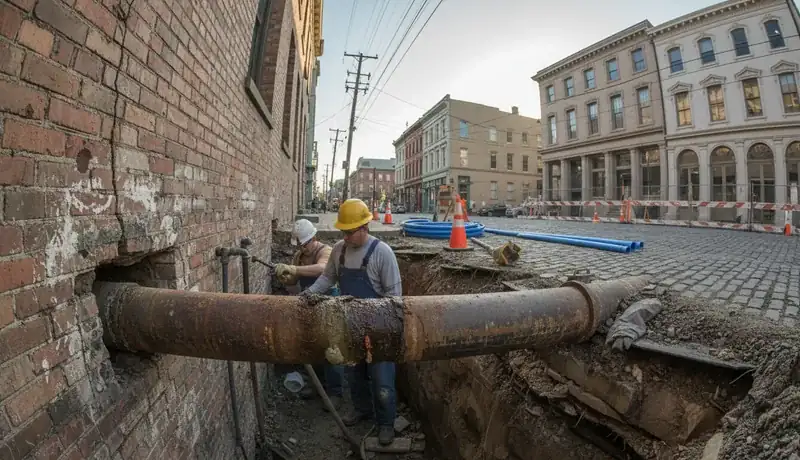
Living in a historic property in downtown Denver, CO 80202 is a unique experience, filled with charm and character. But beneath the beautiful facade, older buildings have aging infrastructure. The original water lines that have served your home for decades may be showing signs of stress. These pipes, often made of materials no longer used today, are susceptible to corrosion and failure. Recognizing the subtle warnings early on is key to protecting your investment and preserving the integrity of your historic home.
Ignoring the early signs of water line trouble can lead to significant problems. A small, undetected leak can cause foundational damage, promote mold growth, and result in a sudden, catastrophic pipe burst. This not only means costly repairs but also major disruptions to your life. That’s why understanding what to look for is so important. Being proactive allows you to address issues on your own terms, rather than waiting for a middle-of-the-night emergency that floods your basement.
The Unique Plumbing Challenges of Historic Denver Properties
The plumbing in historic Denver homes is fundamentally different from modern systems. Many properties built decades ago rely on galvanized steel or cast iron pipes. While durable for their time, these materials have a finite lifespan. Over the years, they begin to corrode from the inside out, leading to restricted water flow and weakened pipe walls. Furthermore, the ground in our area can shift and settle, putting immense pressure on these rigid, aging pipes. Tree roots are another common enemy, as they are naturally drawn to the moisture around a water line and can wrap around or even break through the pipe. These combined factors create a high-risk situation for leaks and bursts that newer homes with flexible PVC or copper pipes simply don't face. Understanding this context is the first step in effective prevention.
Listen to Your Home: Telltale Signs of a Failing Water Line
Your home often gives you clues that something is wrong with the water line long before a disaster strikes. One of the most common signs is a noticeable drop in water pressure throughout the house. If your showers feel weaker or faucets take longer to fill a glass, it could indicate a leak or blockage. Another red flag is discolored water. Water that appears rusty or brown suggests that the inside of your pipes is corroding. Keep an eye on your water bill; a sudden, unexplained spike is a strong indicator of a hidden leak. You might also notice damp spots, puddles, or unusually green patches of grass in your yard, even when it hasn’t rained. In some cases, you may even hear the faint sound of running water when all fixtures are turned off. These are all urgent signals to investigate further.
Recognizing a Plumbing Emergency in Your Historic Home
While it’s tempting to dismiss a small issue, some signs require immediate professional attention. A significant drop in water pressure, pooling water in your yard or basement, or the sound of constantly running water are not DIY situations. Attempting to fix a main water line without the proper tools and expertise can quickly turn a small leak into a major flood, causing thousands of dollars in damage. These problems often point to a serious break or collapse in the line that requires specialized diagnostic equipment to locate and repair. That’s why, for the safety of your property, it’s crucial to contact a professional. If you notice any of these critical signs, you may need emergency plumbing services in Denver, CO 80202 to prevent further damage to your home’s foundation and structure.
Expert Plumbing Pro: We Understand Denver's Historic Homes
At Expert Plumbing Pro, we specialize in addressing the unique challenges of historic properties in the Denver, CO 80202 area. We know that working on these homes requires a delicate touch and a deep understanding of older plumbing systems. Our team uses modern, non-invasive techniques like video camera inspections to accurately diagnose the health of your water line without unnecessary digging. We respect the character of your home and work diligently to provide solutions that are both effective and minimally disruptive. Whether you need a simple repair or a full line replacement, our focus is on preserving your property while ensuring your plumbing is safe and reliable for years to come. We are your local partners in protecting your historic investment.
Frequently Asked Questions
How long do old water lines typically last?
The lifespan of a water line depends heavily on its material. Galvanized steel pipes, common in homes built before the 1960s, usually last 40 to 60 years. Cast iron pipes can last longer, sometimes 75 to 100 years. However, factors like Denver's soil conditions and water quality can accelerate corrosion. For any historic home, it's wise to assume the pipes are nearing the end of their service life and should be professionally inspected to prevent unexpected failures.
Is a small drop in water pressure really a big deal?
Yes, it can be. While a minor fluctuation can sometimes be caused by municipal water work, a consistent or worsening drop in pressure is a classic symptom of a problem. It could be a small, hidden leak in your main water line that is slowly wasting water and saturating the ground around your foundation. It might also signal a significant buildup of corrosion inside the pipes, which will eventually lead to a blockage or burst. It's always best to have it checked.
Stay Ahead of Plumbing Problems
Protecting your historic downtown Denver home means paying attention to the small details. By learning to recognize the early signs of water line stress—from low pressure to unexplained wet spots—you can take action before a minor issue becomes a major crisis. Being proactive is the best way to save money, avoid stress, and preserve the unique character of your property. If you suspect your water line needs attention, don't hesitate. The team at Expert Plumbing Pro is here to help residents in Denver, CO 80202 with reliable inspections and expert service.